Why Purpose Matters
India is too vast to explore without intent. Each city offers a completely different experience the same state can have a Himalayan hill station, a Mughal fort city and a coastal fishing village. Filter by what you seek.
How to Use This Directory
Browse by category using the filter bar above. Each city entry includes its state, key attributes and why it belongs in that category helping you build the perfect itinerary faster.
India by the Numbers
28 states · 8 union territories · 4 UNESCO Natural Sites · 32 UNESCO Cultural Sites · 7 wonders of the ancient world · 4 religious birthplaces · 1 extraordinary country.
Hill Stations of India
Where India goes when it needs to breathe colonial-era retreats, Himalayan frontier towns and misty Nilgiri summits above the clouds.
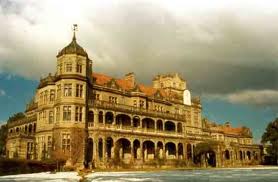
Colonial architecture, toy trains and crisp mountain air. The most famous hill station in North India.
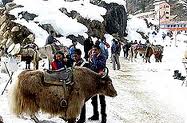
Snow-covered Rohtang Pass, Solang Valley paragliding and the ancient legend of Manu's town.
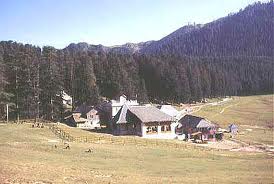
The hidden gem of Himachal quieter, more romantic and less commercialised than Shimla.
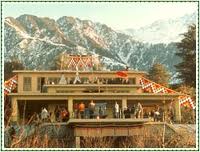
Tibetan culture, Buddhist monasteries and dramatic Dhauladhar range views.
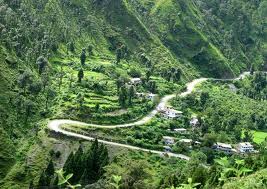
A shimmering blue-green lake surrounded by seven hills the jewel of the Kumaon Himalayas.
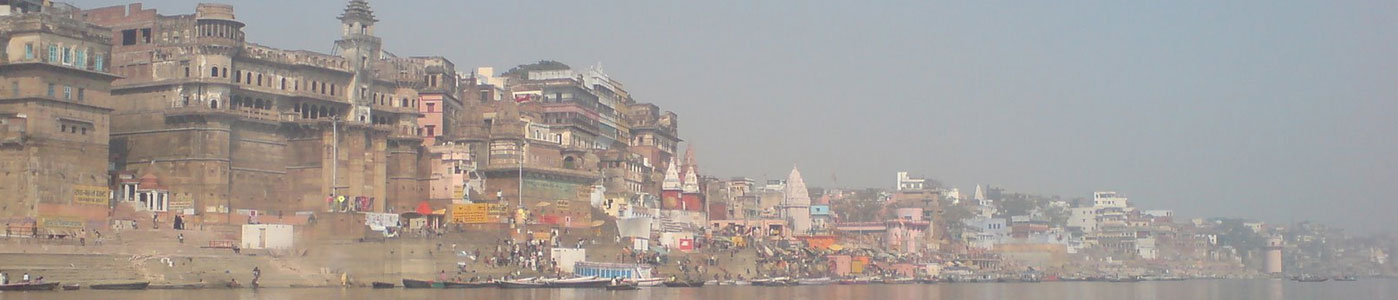
Just 35 km from Dehradun the most accessible Himalayan escape for Delhi travellers.
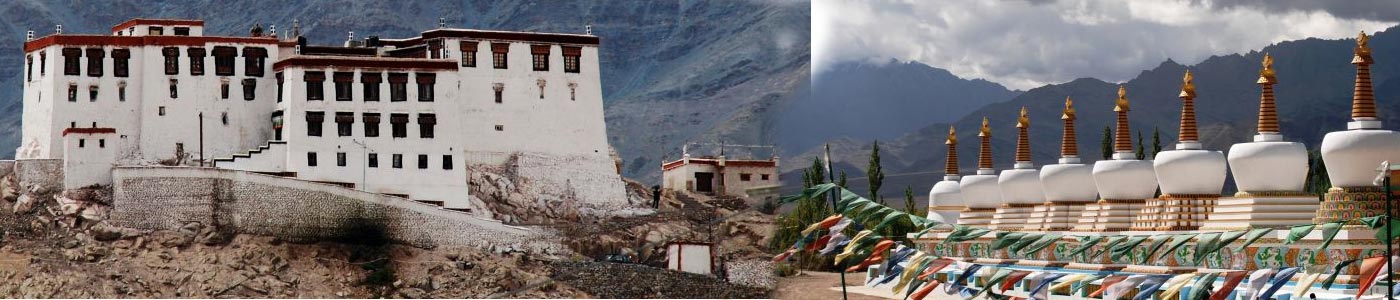
Ancient monasteries, salt-flat deserts and roads that curl around the sky. India's final frontier.
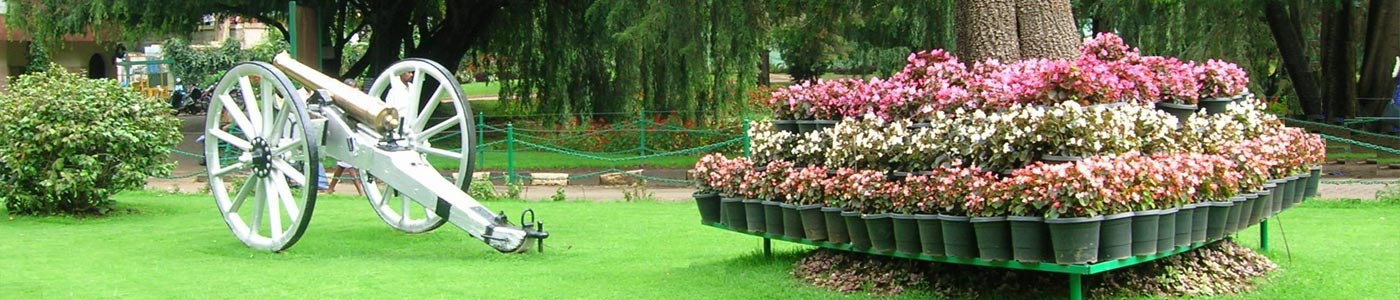
Tea gardens, Nilgiri Mountain Railway and botanical gardens in the heart of South India.

Maharashtra's highest hill station strawberry farms, viewpoints and the origin of five rivers.
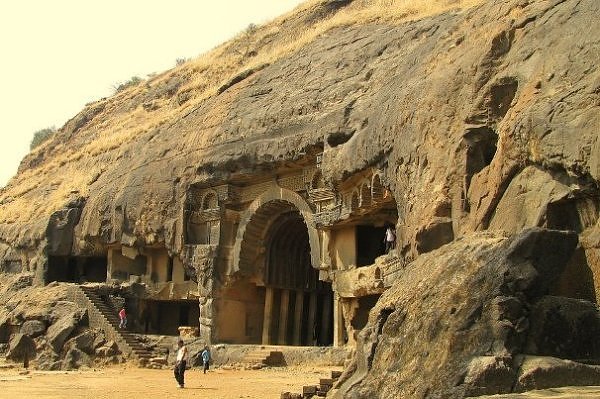
Green valleys, Bhaja caves and the famous chikki candy a beloved weekend escape from Mumbai and Pune.
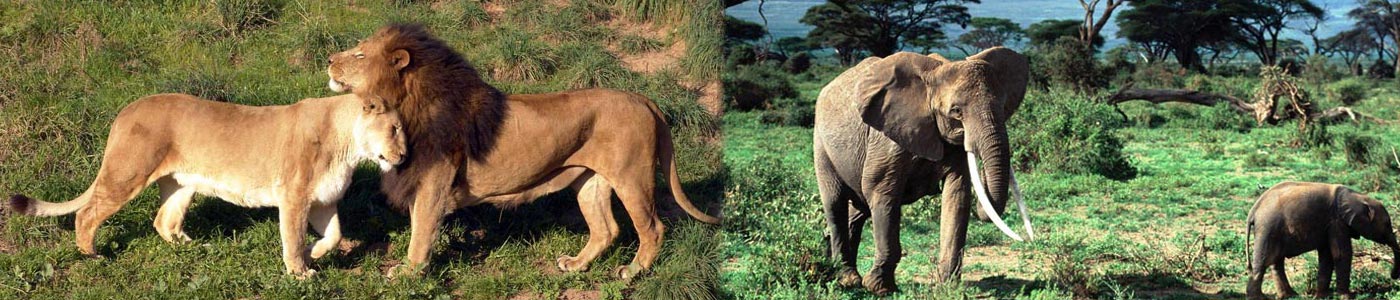
MP's only hill station a UNESCO biosphere, Pandava caves and pristine waterfalls.
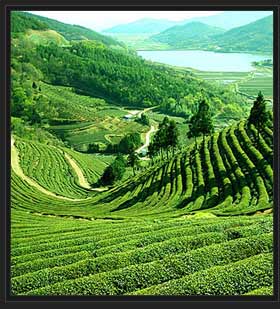
World's finest tea, UNESCO toy train, dawn views of Kanchenjunga simply magical.
Pilgrimage Cities
India is the birthplace of Hinduism, Buddhism, Jainism and Sikhism. These cities have drawn the devout for thousands of years and still pulse with living faith.
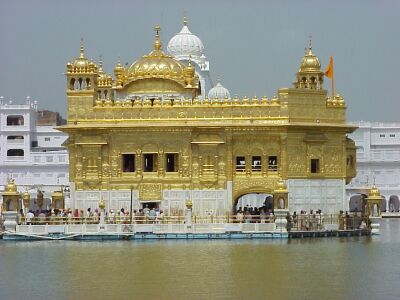
The holiest shrine of Sikhism shimmers in gold over a sacred pool. The community langar feeds over 100,000 people daily regardless of faith.
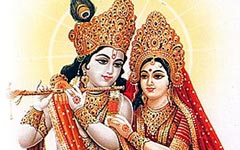
The Krishnajanmabhoomi Lord Krishna's birthplace draws millions of devotees, especially during Janmashtami and Holi celebrations.

The ancient city around the magnificent Meenakshi Amman Temple a living masterpiece of Dravidian architecture with 14 towering gopurams.
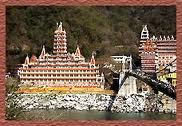
Where the Ganges descends from the Himalayas. Ashrams, yoga retreats, evening Ganga aarti and the gateway to the Char Dham yatra.

The world's most visited religious site. The Tirumala Venkateswara Temple receives over 50,000 pilgrims daily on the seven sacred hills.

One of the seven sacred cities of Hinduism, famous for over 1,000 temples and the world-renowned Kanjivaram silk sarees woven here.
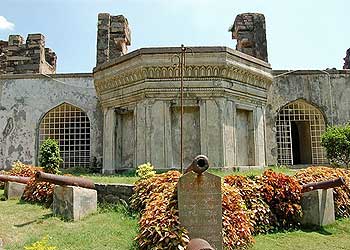
Set on the banks of river Krishna, this city draws pilgrims to the Kanaka Durga temple and Undavalli cave temples carved into solid rock.
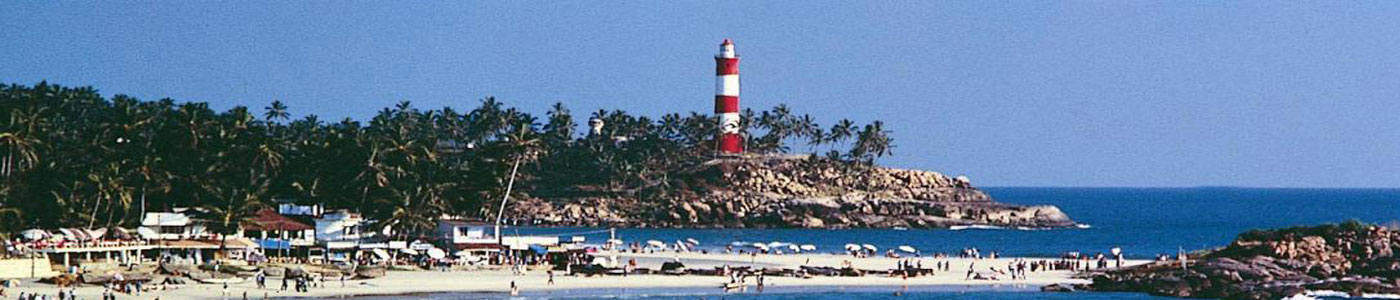
Kerala's capital, built over seven hills, home to the Padmanabhaswamy Temple one of the wealthiest temples in the world.
Medical Tourism Cities
India is one of the world's top medical tourism destinations world-class hospitals, internationally trained surgeons and costs that are a fraction of Western equivalents. Cardiac surgery, orthopaedics, oncology, Ayurveda, IVF and dental care draw patients from 180+ countries.
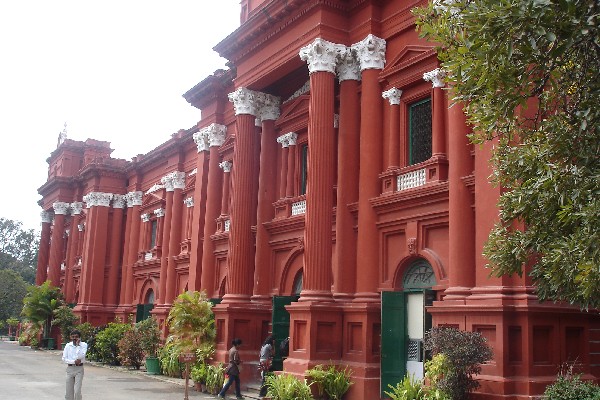
Home to Narayana Health, Manipal Hospital, Fortis, Apollo and dozens of world-ranked specialty hospitals. Leading in cardiac surgery, bone marrow transplants and robotic surgery. Also a hub for Ayurveda wellness centres.
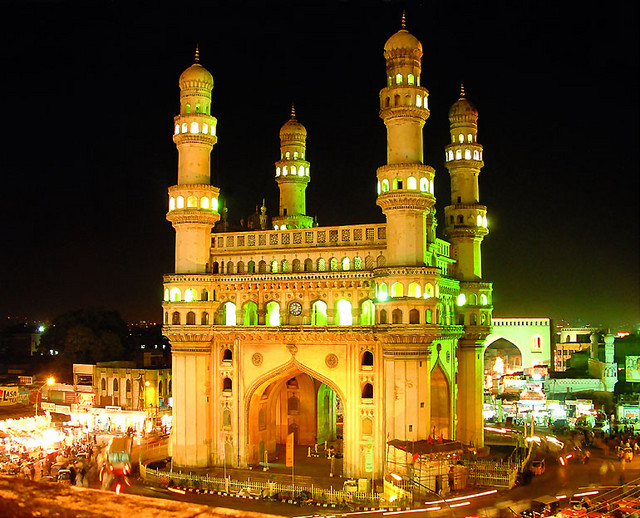
Asia's largest hospital KIMS, Yashoda and Apollo draw patients for orthopaedics, fertility treatment and eye care.
Known as the health capital of India top hospitals, most experienced organ transplant teams and unmatched affordability.

The birthplace and global centre for authentic Ayurvedic medicine. Panchakarma, rejuvenation therapies and wellness retreats in a tropical paradise.
Also notable: Mumbai (specialised oncology & reconstructive surgery), Delhi NCR (AIIMS the world's largest government hospital, cardiac & neuro), Pune (ophthalmology, dental), Ahmedabad (orthopaedics, knee replacement). India's medical tourism saves patients 60–90% vs USA/UK costs with JCI-accredited hospitals.
Historical Cities of India
Civilisations that gave the world mathematics, chess, cotton textiles, surgery and philosophy. These cities are still alive with that legacy in their forts, bazaars and monuments.
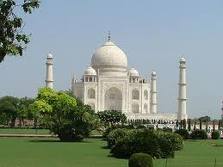
Taj Mahal, Agra Fort, Fatehpur Sikri three UNESCO sites in one city. The zenith of Mughal architecture, built between the 16th and 17th centuries.
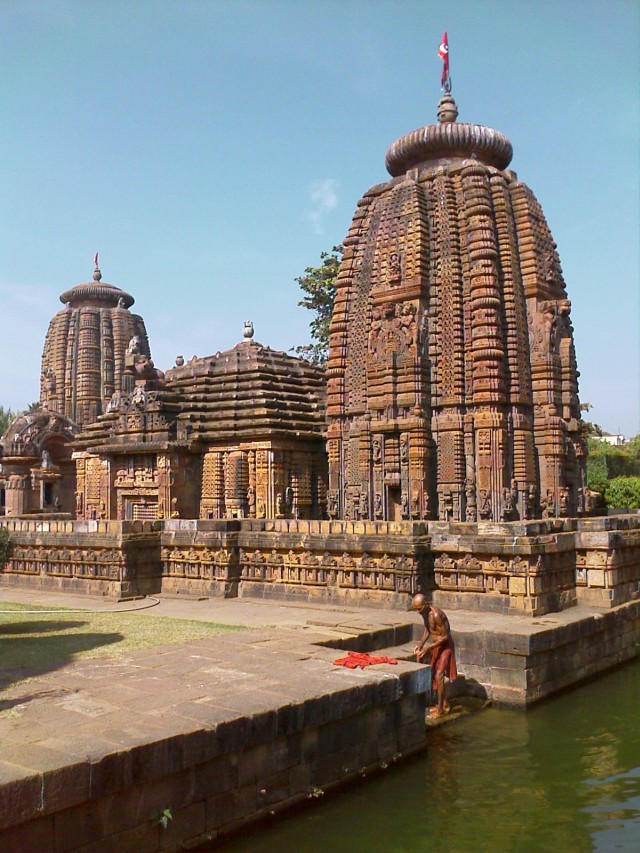
Once home to over 7,000 temples, still preserving 700 of them. The Lingaraja Temple and ancient Kalinga architecture date back to the 7th century AD.
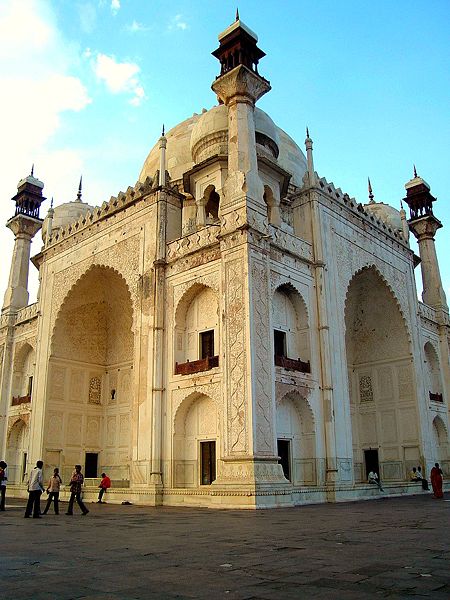
Mughal-era city flanked by the UNESCO-listed Ajanta and Ellora caves 2,000-year-old Buddhist, Hindu and Jain rock-cut monasteries.

The ancient Kakatiya capital with its iconic granite fort, Ramappa Temple (UNESCO) and the intricate thousand-pillar temple of the 12th century.
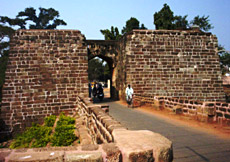
Over a thousand years old, established around the ancient Barabati Fort. Former political and commercial capital of Odisha with a rich silverware craft tradition.
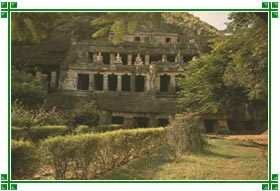
An important region where Buddhism flourished in the early centuries CE. Hills, valleys, rivers and beaches combine with ancient Amaravathi Buddhist stupa ruins nearby.
Beach Cities of India
7,500 kilometres of coastline across the Arabian Sea, Bay of Bengal and the Indian Ocean. India's beach cities range from party hubs to pristine coral islands.
India's beach capital Portuguese churches, spice markets, 100+ km of coastline. Baga, Anjuna, Palolem and Calangute. Best Oct–Mar.
The Venice of the East backwater houseboats, beach sunsets and the Nehru Trophy Boat Race.
Crystal-clear water, pristine coral reefs and Radhanagar Beach one of Asia's best. A true tropical paradise.
Malabar Coast city where Vasco da Gama landed in 1498. Beaches, Zamorin heritage and world-famous Kozhikodan biryani.
The City of Destiny between the Eastern Ghats and Bay of Bengal with RK Beach, submarines and dolphins.
Cashew capital of the world with the Ashtamudi Lake backwaters and the start of the famous houseboat cruise to Alleppey.
The French Riviera of the East colonial boulevards, golden beaches, Sri Aurobindo Ashram and Auroville spiritual township.
Quieter, more luxurious counterpart to North Goa Palolem, Agonda and Cavelossim beaches are among India's most pristine.
Small Towns & Hidden Gems
Beyond the headline cities, India's small towns preserve what the metros have lost unhurried bazaars, artisan crafts, local festivals and the warmth of genuine hospitality.
"The land of letters, latex and lakes" a literary city of backwaters, rubber plantations and Christianity's oldest churches in India.
Five hills, Victorian-era bungalows and near-complete silence. Beloved by Rabindranath Tagore and unspoilt to this day.
The greenest corner of Punjab, bordering Himachal with its forests, temples and the fine tradition of woodcraft furniture.
Royal town famous for the Patiala peg, Qila Mubarak fort and the distinctive Patiala salwar a city of elegance and tradition.
India's cleanest town a compact Himalayan capital of Buddhist monasteries, rhododendron forests and prayer flag ridgelines.
A mini storehouse of cultural diversity on the Bangladesh border palaces, temples and the North-East's distinctive cultural blend.
The textile and bicycle manufacturing capital of India a working city of industry with historical gurdwaras on the Sutlej river.
The city of spice traders ancient Zamorin port where the spice route ended, now famous for the best biryani in Kerala.
Punjab's oldest city sports equipment capital of India, producing everything from hockey sticks to boxing gloves since the 1880s.
The Manchester of India leather and textile mills on the Ganges riverbank, with the Kanpur Memorial and JK Temple as highlights.
The Steel City of Bengal India's planned industrial township with the Durgapur Barrage and rose gardens designed by international architects.
Hyderabad's charming twin a British cantonment town around the beautiful Hussain Sagar Lake with colonial-era bungalows and bazaars.
Wildlife & Nature Cities
India is home to 400 mammal species, 1,250 bird species and the world's largest tiger population. These gateway cities put you closest to the wild.
India protects 106 national parks and 565 wildlife sanctuaries. The Project Tiger initiative, started in 1973, has grown the tiger population from 1,800 to over 3,000. Jim Corbett, Ranthambore, Kaziranga, Sundarbans, Periyar and Bandhavgarh lead the list.
The Hemis National Park is one of the last habitats of the elusive snow leopard. Also home to the Tibetan wild ass (kiang) and bharal blue sheep.
Boat safaris past wild elephants in Periyar Lake. Wayanad's forests home to leopards, gaur and the Asiatic wild dog (dhole).
Gateway Cities for Wildlife: Jaipur → Ranthambore Tiger Reserve · Nagpur → Tadoba-Andhari · Dibrugarh → Kaziranga (one-horned rhino) · Kolkata → Sundarbans (Royal Bengal tiger in mangroves) · Dehradun → Jim Corbett (India's oldest national park) · Mysore → Nagarhole & Bandipur elephant country
UNESCO Heritage Cities
India's 40 UNESCO World Heritage Sites (cultural and natural) represent the most extraordinary concentration of human achievement and natural wonder on earth.
Taj Mahal (1983), Agra Fort (1983) and Fatehpur Sikri (1986). No other Indian city concentrates UNESCO heritage like Agra.
Ajanta caves (1983): 2nd-century Buddhist paintings considered the finest ancient art in the world. Ellora (1983): 34 rock-cut caves spanning three religions.
The Rudreswara (Ramappa) Temple a floating temple said to be built on a sandbox so its foundations absorb earthquake shocks. Recently added to UNESCO in 2021.
The Darjeeling Himalayan Railway (1999) the "toy train" that has climbed from Siliguri to Darjeeling since 1881, a marvel of mountain engineering.
Adventure Cities
Trekking, rafting, paragliding, skiing, rock climbing, scuba diving, motorcycling the Himalayas India offers world-class adventure at every altitude.
White-water rafting capital of India on the Ganges. Grade 3–5 rapids, bungee jumping, cliff jumping and the Giant Swing over the river gorge.
Paragliding in Solang Valley, skiing at Rohtang Pass, trekking to Hampta Pass and Chandratal Lake. India's adventure capital.
The world's greatest motorcycle ride Leh-Manali Highway, Khardung La (world's highest motorable road) and Zanskar river rafting.
Scuba diving and snorkelling off Grande Island, parasailing and windsurfing at Baga. India's best water sports hub.
The paragliding capital of Asia and site of the 2015 Paragliding World Cup. Consistent thermals from September to November.
Trek to Milam Glacier, Khaliya Top and Ralam glacier. One of India's great undiscovered trekking bases in the Johar Valley.
Scuba diving among coral gardens and WWII shipwrecks. Barracuda, manta rays and sea turtles in glass-clear water. India's best dive destination.
Romantic Destinations
The Taj Mahal was built as a monument to love. India has been inspiring romance for millennia from Rajasthan's palace hotels to Kerala's houseboat sunsets.

A private houseboat at sunset on the Kerala backwaters is among the most romantic experiences in Asia.
The world's greatest love story in marble most romantic at sunrise when mist rises over the Yamuna and the Taj glows pink.
Wood-fire cabins, snow-covered apple orchards and candlelit dinners in the mountains a Bollywood favourite for good reason.

Secluded luxury resorts, private beach stretches and Portuguese candlelit restaurants. The sophisticated side of Goa.
Metro Megacities
Mumbai's Bollywood glamour, Delhi's political power, Bengaluru's tech innovation, Kolkata's intellectual legacy India's megacities are worlds unto themselves.

India's financial capital, the home of Bollywood, the Gateway of India, Marine Drive and the world's largest informal economy Dharavi. The city that never stops.

India's capital, built and rebuilt by seven successive empires. Humayun's Tomb, Qutub Minar, Red Fort, India Gate, Chandni Chowk and AIIMS all in one city.
India's fastest-growing major city global technology hub, craft beer capital, garden city. Home to ISRO, Infosys, Wipro and 10,000+ tech startups.
Carnatic music, Bharatanatyam dance, ancient temples, Marina Beach (world's second-longest urban beach) and a thriving auto-manufacturing industry.
400-year Nizami heritage meeting a booming HITEC City tech corridor. Charminar, Golconda Fort, the world's finest biryani and a growing pharma industry.